

Cable Fault Location and Positioning

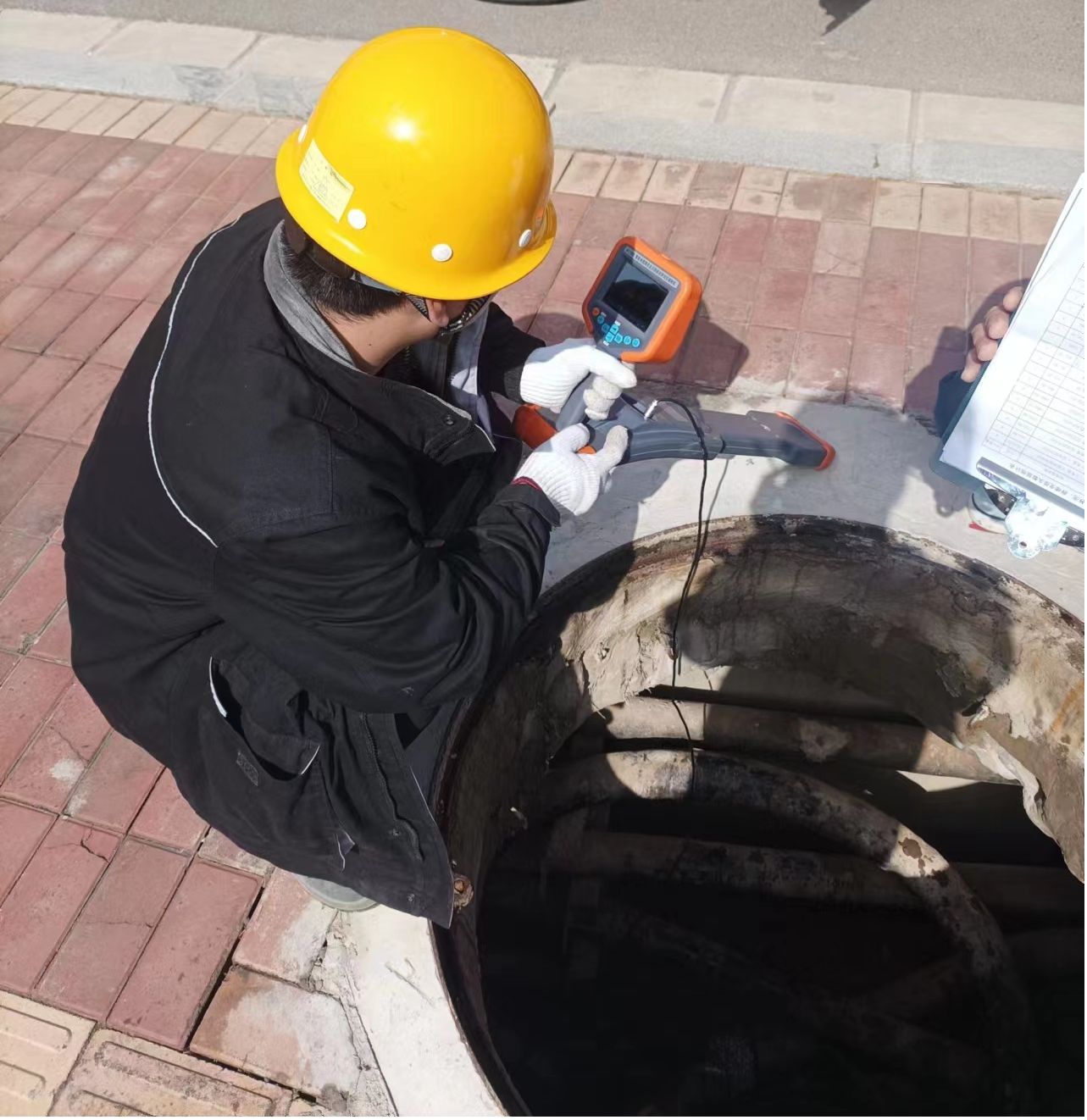
Comprehensive fault identification, accurate and efficient positioning, and easy operation to quickly locate fault points, significantly shortening repair time and lowering maintenance costs.
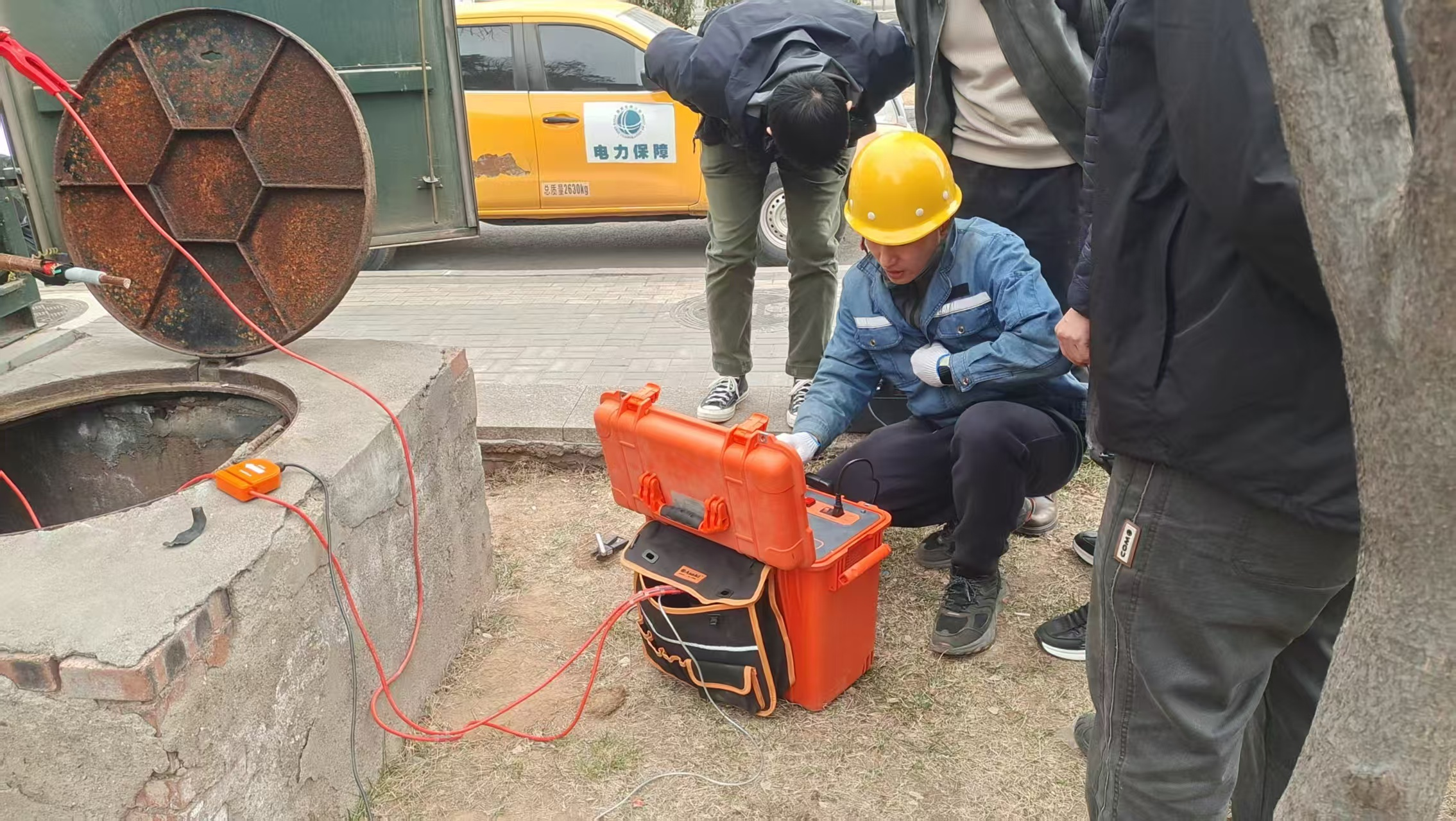
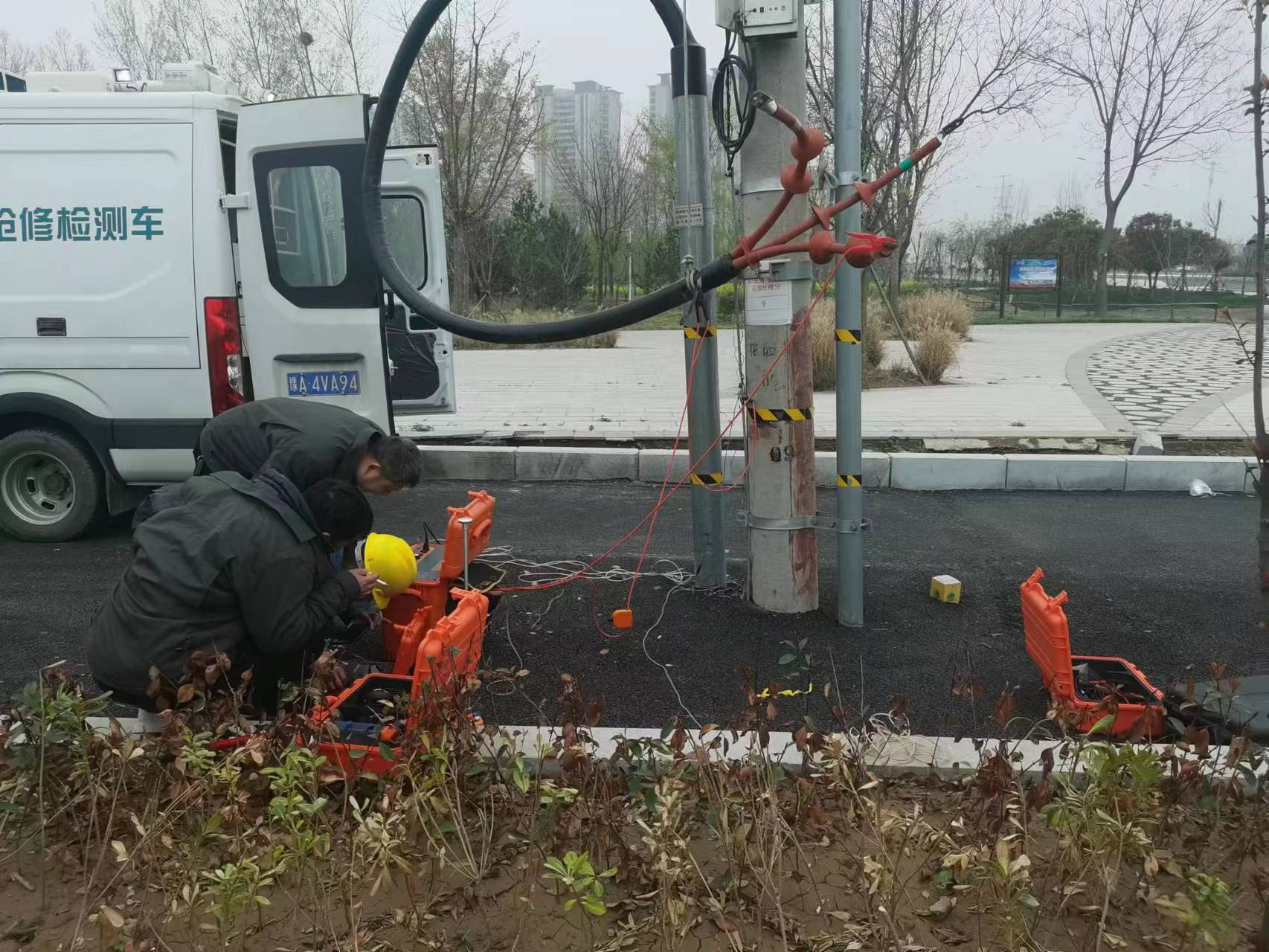
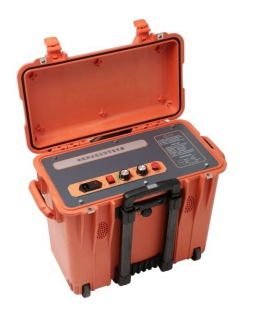
The cable fault point is first broken down by high voltage. A linear current coupler is then used to collect and record the current traveling-wave signal generated by the fault breakdown. By analyzing the time it takes for the current traveling-wave signal to travel from the measurement end to the fault point and back, the fault distance is calculated.
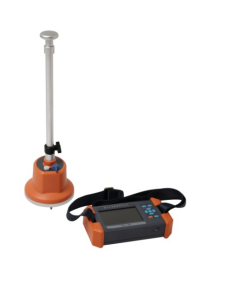
Sound-based pinpointing method: mainly used for high-resistance and flashover faults. During testing, high-voltage equipment is used to break down and discharge the fault point. The mechanical vibration produced by the discharge propagates to the ground and can be heard as a 'pop' sound, allowing very accurate cable fault pinpointing.
Sound-magnetic method: when an impulse high-voltage signal is applied to the cable to cause discharge at the fault point, a circulating current is induced in the loop formed by the cable sheath and the ground. This circulation generates a pulsed magnetic field around the cable. By receiving the sound signal and the pulsed magnetic field signal at the same time, the discharge sound can be identified as originating from the fault point and the fault can be determined to be nearby.
Contact Us