

Cable Fault Location and Positioning (Distribution Network)

Suitable for distribution networks, with complete fault identification, accurate positioning, strong adaptability, easy operation, and outdoor anti-interference performance to support efficient distribution network maintenance.
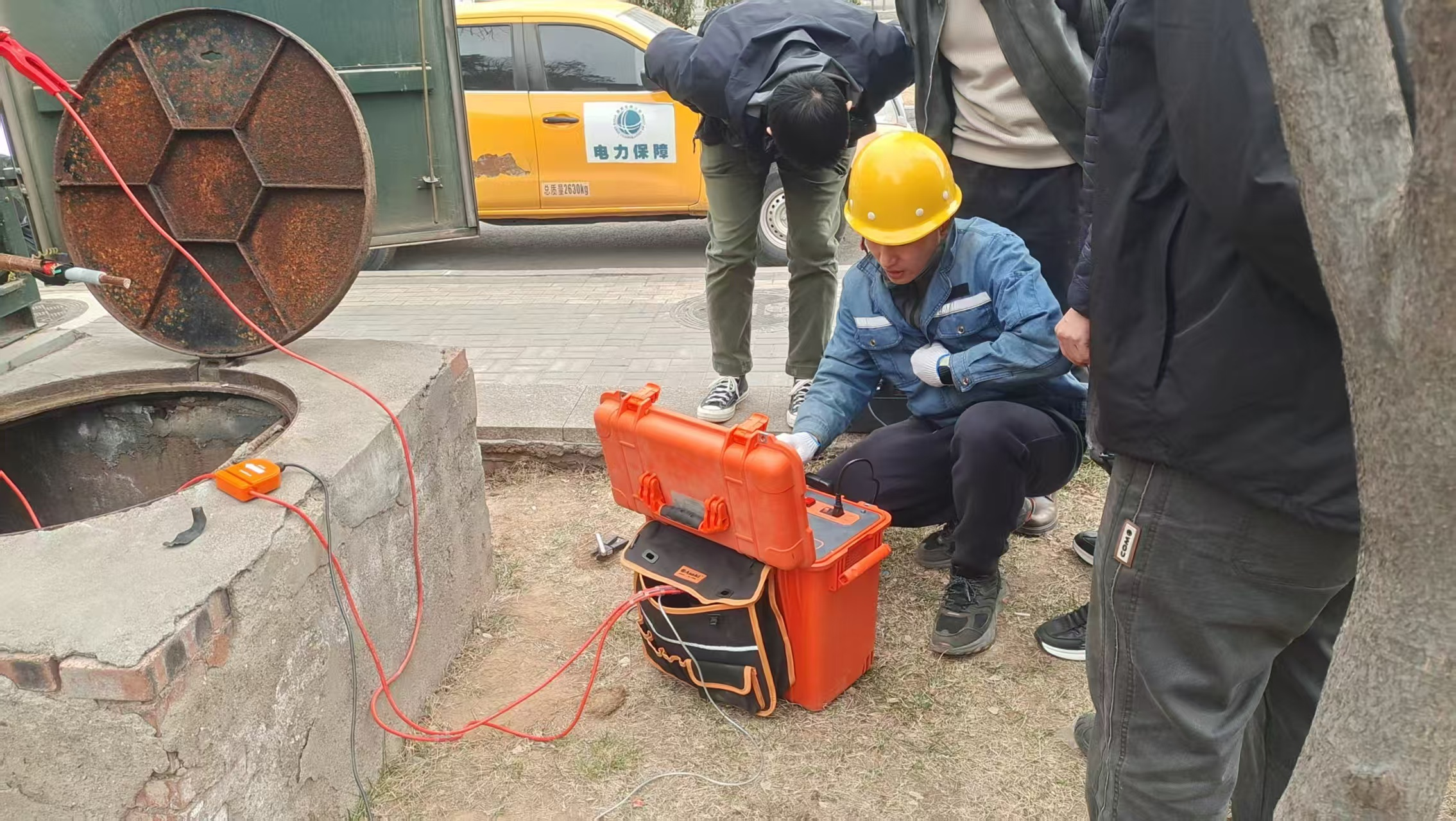
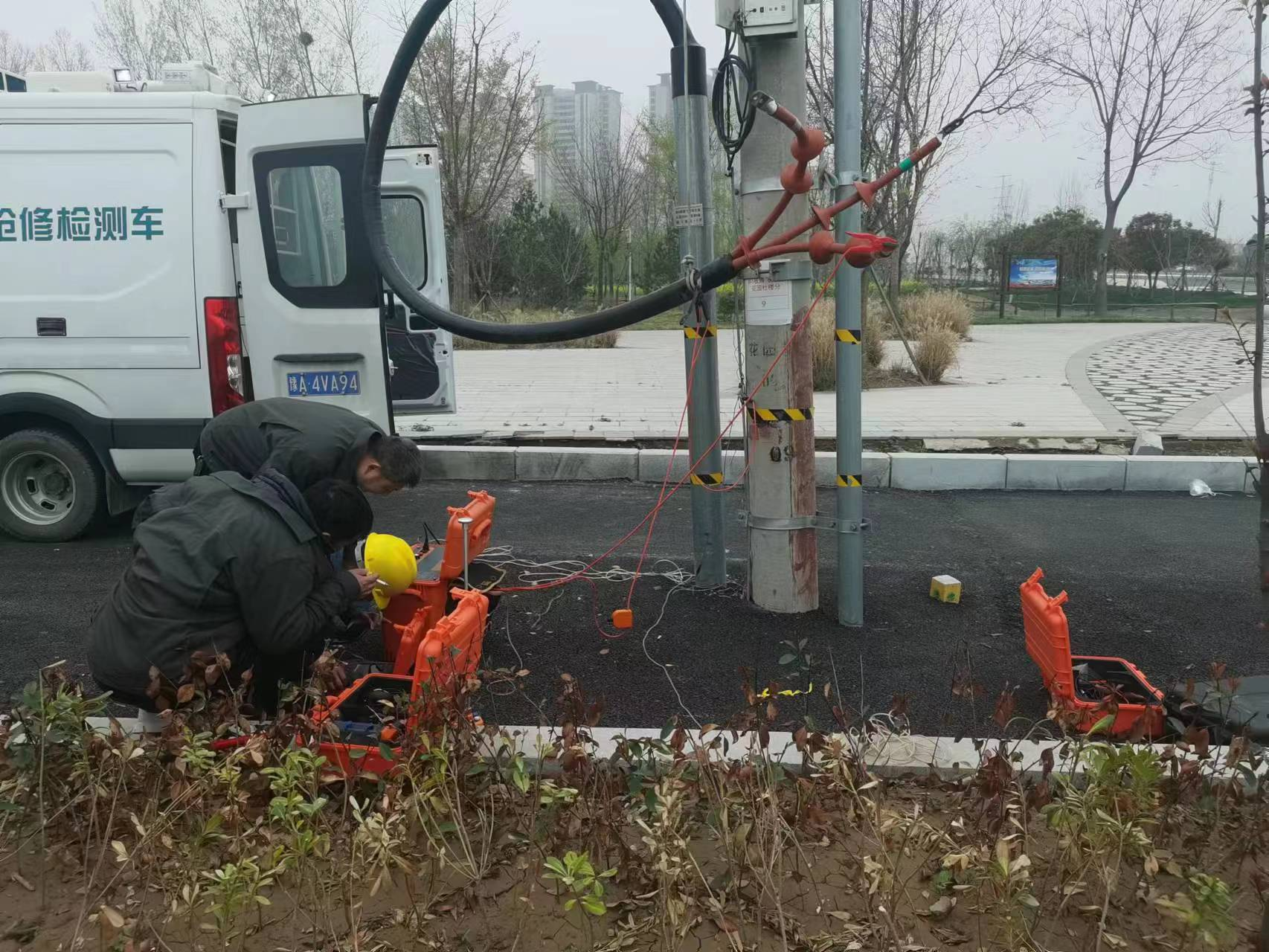
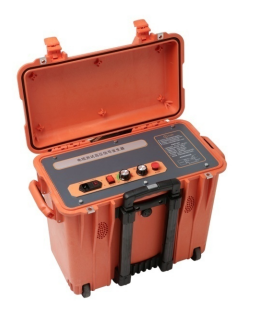
A cable fault point is subjected to high-voltage breakdown. A linear current coupler is used to collect and record the current traveling-wave signal generated at the fault point. By analyzing the time it takes for the current traveling wave to make a round trip between the measurement end and the fault point, the fault distance is calculated.
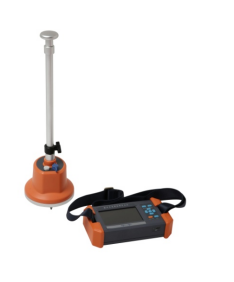
The acoustic pulse location method is mainly used for high-resistance and flashover faults. During measurement, high-voltage equipment is used to make the fault point break down and discharge. The mechanical vibration generated by the discharge gap is transmitted to the ground, producing a distinct sound, which allows accurate fault pinpointing.
The sound-magnetic method: when an impulse high voltage is applied to the cable and the fault point discharges, a circulating current is induced in the loop formed by the cable sheath and ground. This circulating current generates a pulse magnetic field around the cable. By listening to the sound signal while receiving the pulse magnetic field signal, the discharge sound can be identified as coming from the fault point, indicating the fault is nearby.
Contact Us

Hotline
400-6371-066

Technical Support
0371-56977878

Sales
0371-56977890 0371-56977880

WeChat Service Account

Douyin

Video Account