
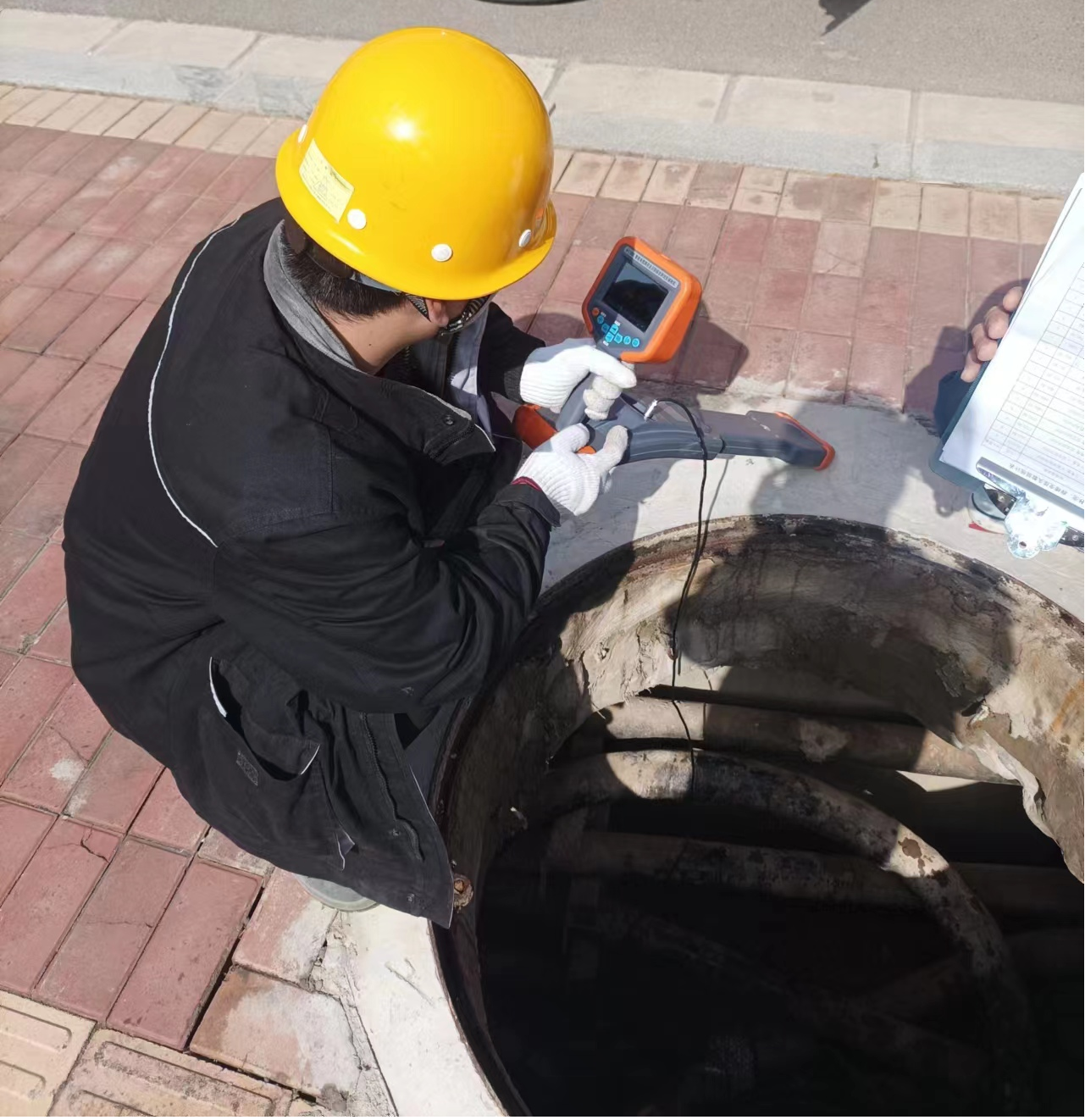
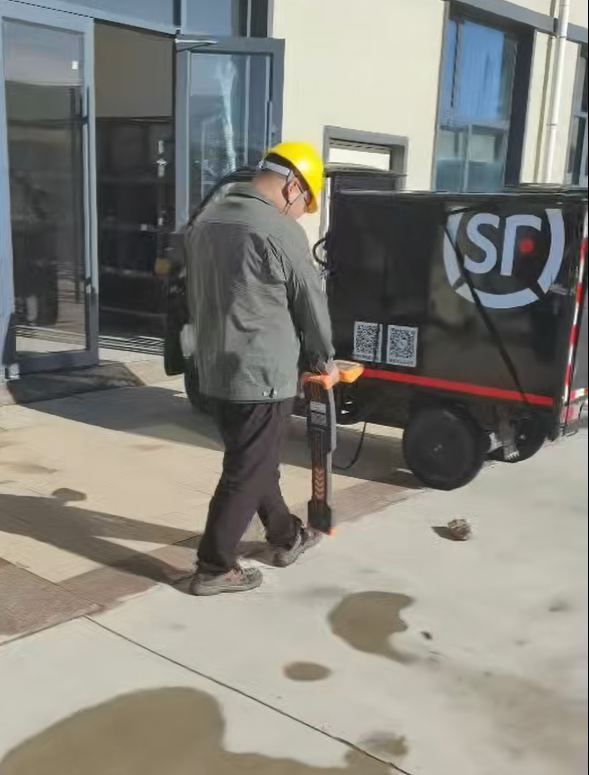
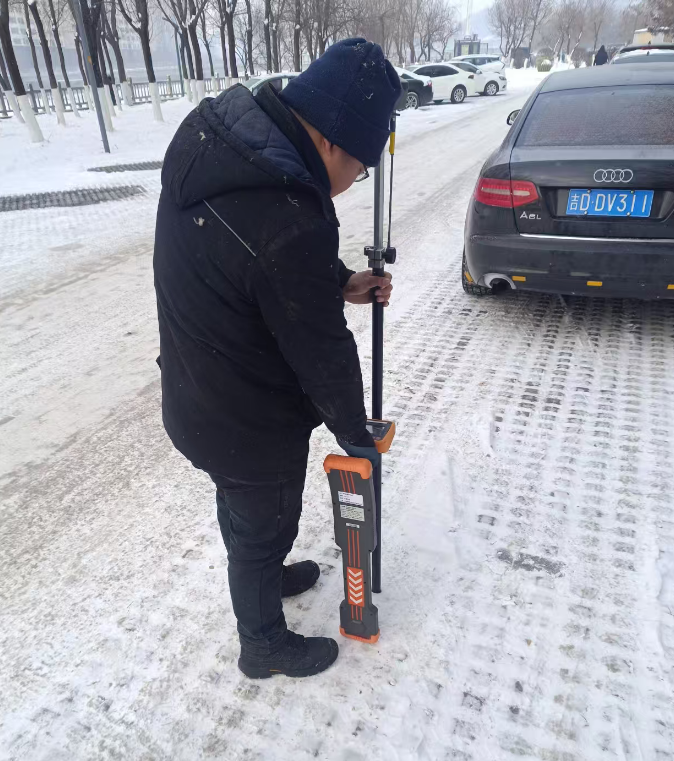
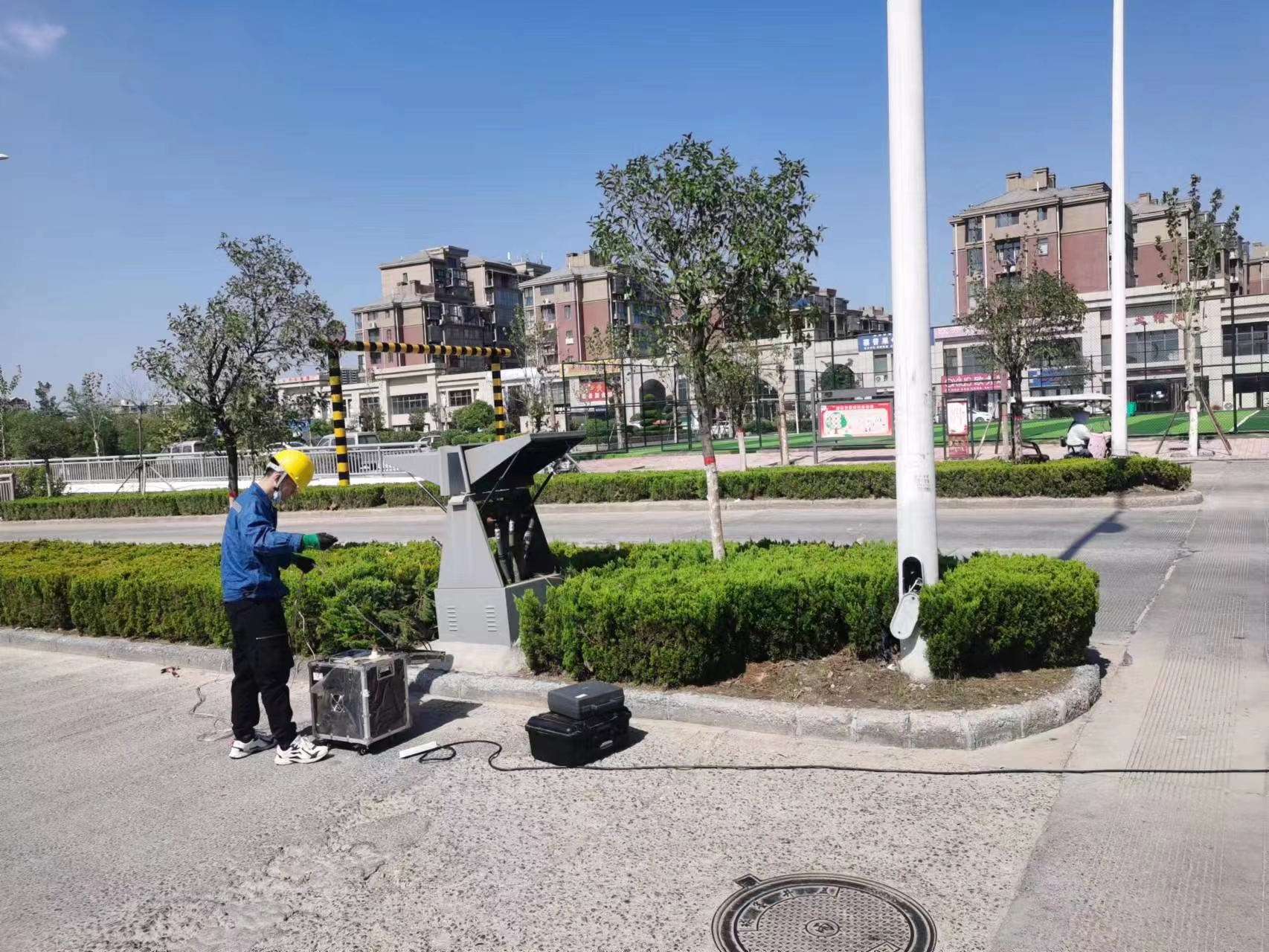
Cable Route and Cable Identification (Distribution Network)

1. Accurate positioning: precisely locates underground distribution cable routes and quickly identifies cable numbers to avoid accidental excavation damage. 2. Strong adaptability: compatible with various distribution cables and suitable for complex outdoor construction scenarios. 3. Easy operation: simple to use and helps with efficient maintenance and fault troubleshooting to keep the distribution network safe.
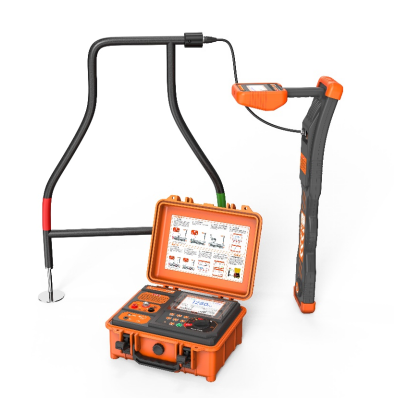
The transmitter generates electromagnetic waves and sends the signal to the underground cable being detected through different transmission connection methods. After the underground cable senses the electromagnetic wave, an induced current is generated on the cable surface and propagates along the cable. During propagation, the underground cable radiates electromagnetic waves back to the ground. When the receiver detects this on the ground, the position and route of the underground cable are determined by the strength changes of the received signal.
Cable routing and identification typically use direct connection, coupling, and induction methods.
Contact Us

Hotline
400-6371-066

Technical Support
0371-56977878

Sales
0371-56977890 0371-56977880

WeChat Service Account

Douyin

Video Account