
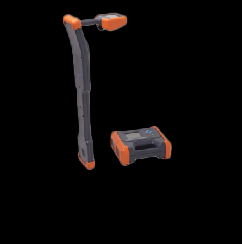
HB-GZW05 Cable Fault Locator

Distance Measurement Mode: Low Voltage Pulse Method, Pulse Current Method, Multiple Pulse Method, Attenuation Method
Waveform Comparison: Supports waveform comparison functions for low voltage pulse and pulse current waveforms
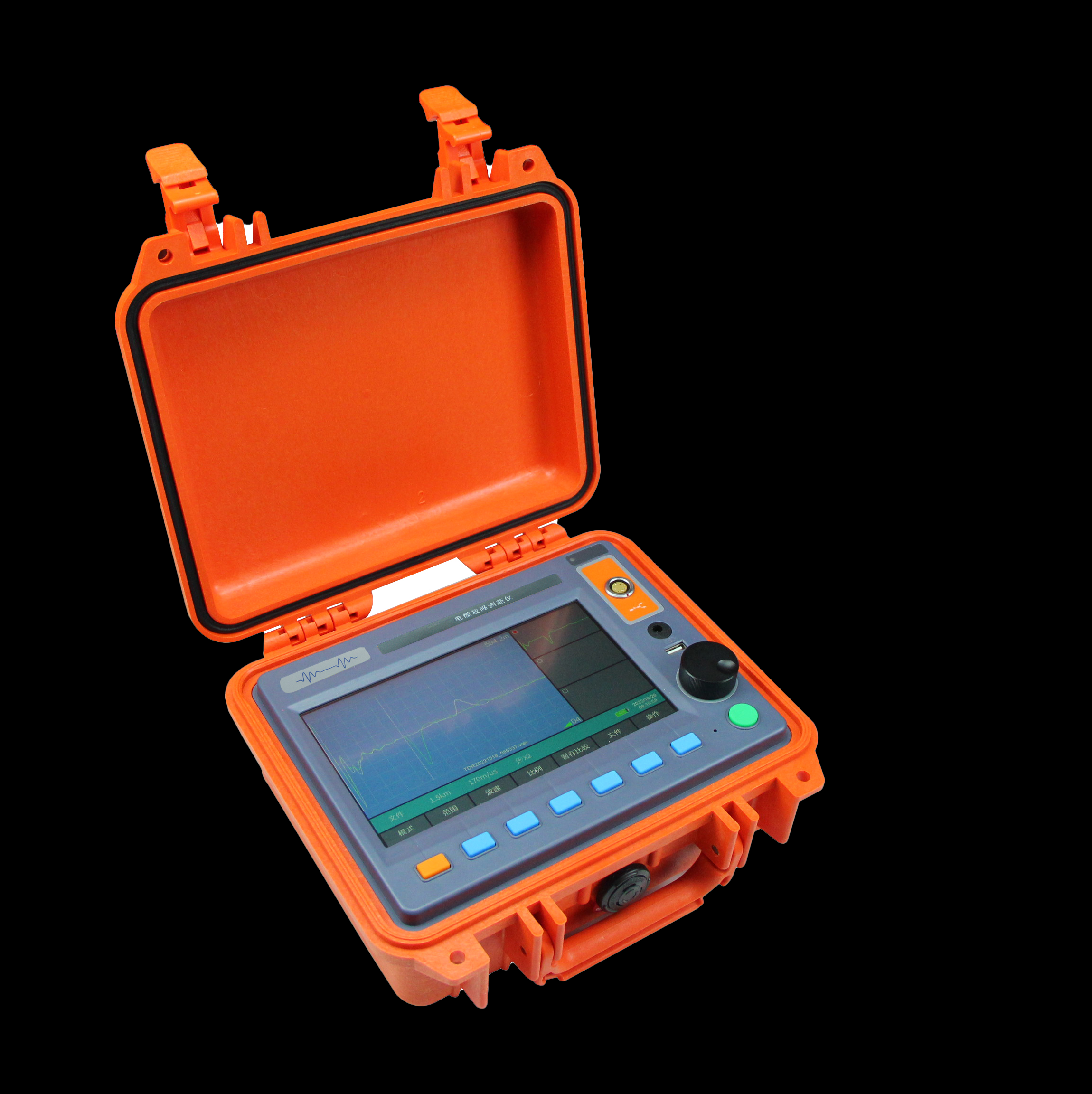
Human-Machine Interface: 8-inch large screen high-brightness LCD, visible under sunlight
Waveform Management: Internal storage, USB export, waveform management via computer backend software
Tracking Accuracy Prompt: Eliminates interference from nearby pipelines
Enhanced Passive Detection: Power frequency + RF passive frequency measurement, can simultaneously display multiple pipeline sound-magnetic synchronization for precise positioning
Filter: Supports four filter modes including low-pass, band-pass, high-pass, and full-pass, to suppress noise
Auto Mute: Mutes when touching the rod to prevent strong noise caused by sensor movement
Portability: High-end, high-protection portable case with handle and wheels
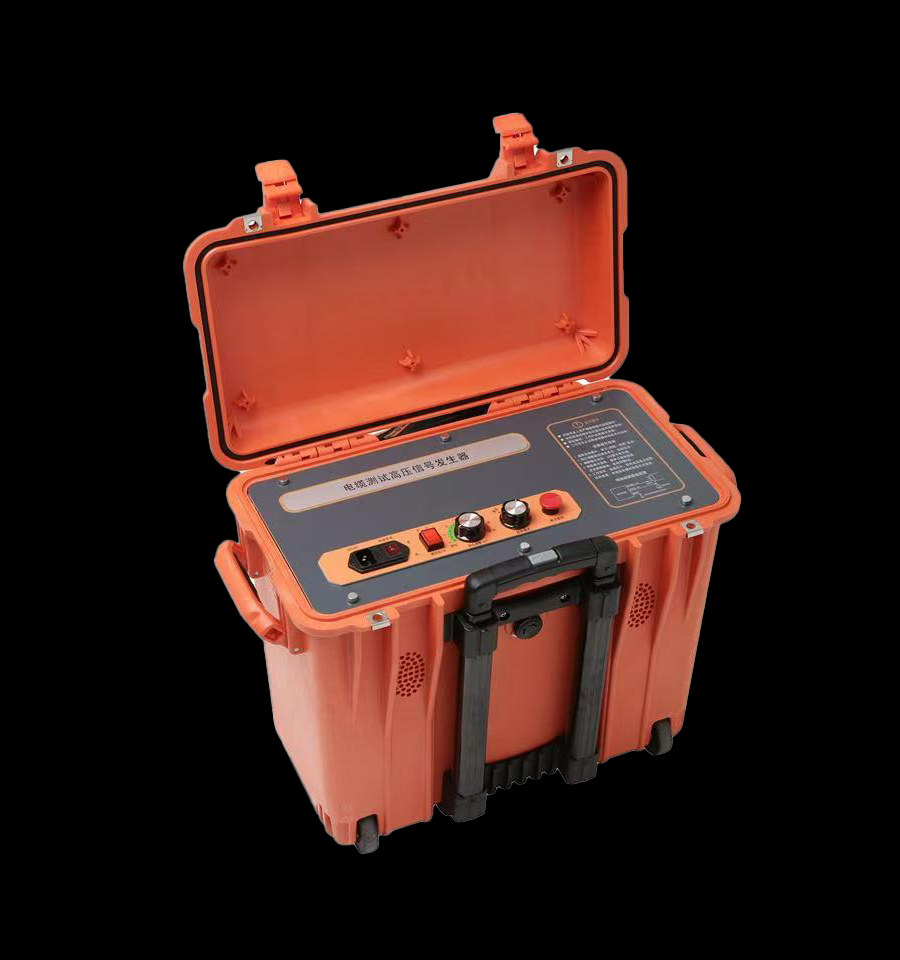
Safety: Integrated design with built-in capacitors, no exposed high voltage, automatic discharge upon power loss
Pulse Balance Technology: Makes distance measurement waveforms more distinguishable for easier positioning
High Voltage Signal Generator (Required): Generates high voltage to break down the fault point (provides a signal source for pulse current ranging, multiple pulse ranging, and precise fault location)
Cable Fault Distance Meter (Required): Measures the distance to the fault with low voltage pulse, pulse current, multiple pulse, and remote service (functions are optional)
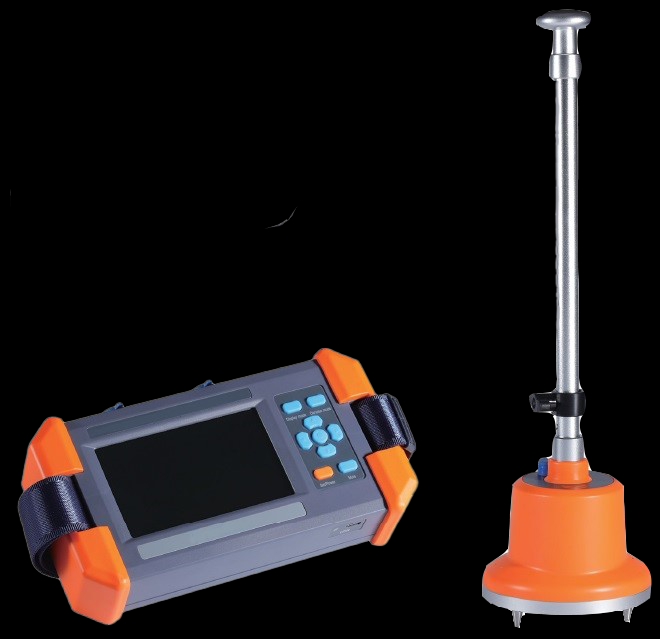
Cable Fault Locator (Required): Determines the exact location of the fault (waveform display method, intelligent method directly provides acoustic-magnetic delay value, strong noise reduction, adaptive noise reduction, no noise reduction, path compass display, automatic mute)
Intelligent Underground Pipeline Detector (Optional): Path detection, cable identification, real-time depth measurement, intelligent obstacle detection, pipeline survey
Multiple Pulse Coupler (Optional): Measures the distance to the fault using the multiple pulse method
Specifications
High Voltage Signal Generator
- Impulse Voltage
- 30kV
- Energy Storage Capacitor
- 2μF/4μF
- Discharge Cycle
- 5s
- Maximum Impulse Energy
- 1024J(2μF)/2048J(4μF)
Cable Fault Distance Meter
- Display
- 8-inch large screen LCD, brightness up to 1500cd/m2
- Working Mode
- Low Voltage Pulse, Pulse Current, Multiple Pulses
- Test Range
- 0~100km
- Highest Resolution
- 0.1m
- Measurement Error
- ±(0.5%×L+1m), L≥20M
- Distance Measurement Dead Zone
- 2m
- Sampling Frequency
- 400MHz Real-time Sampling
- Velocity Setting Range
- 100m/μs~300m/μs
- Power Supply
- Built-in Rechargeable Lithium Battery
- Positioning Method
- Acoustic-Magnetic Synchronization, Step Voltage Method
- Filter Range
- Full Pass: 80~1500Hz
- Noise Reduction Mode
- Supports Strong Noise Reduction, Adaptive Noise Reduction, and No Noise Reduction Modes
Intelligent Underground Pipeline Detector
- Transmitter Output Method
- Direct Connection Output, Radiation Induction, Clamp Coupling
- Output Power
- Maximum 10W, 10 Stages Adjustable, Fully Automatic Real-time Impedance Matching
- Receiver Input Method
- Built-in receiving coil, flexible clamp
- Detection mode
- Wide peak method, narrow peak method, valley method
Multiple pulse coupler
- Test pulse voltage
- 300Vpp
- Allowed input impulse voltage
- <35kV
- Allowed input impulse energy
- <2000J
- Power supply
- AC 220V, 50Hz
Contact Us

Hotline
400-6371-066

Technical Support
0371-56977878

Sales
0371-56977890 0371-56977880

WeChat Service Account

Douyin

Video Account